SQE2 Client Interview: Building Rapport


Introduction
Building rapport with clients is an essential component of the client interview station in the Solicitors Qualifying Examination 2 (SQE2), and indeed, in the wider practice of law. Establishing a good rapport not only makes the interview process smoother but also fosters trust, facilitating open and productive communication. This article delves into the methods and importance of rapport-building during client interviews.
Understanding Rapport-Building
Rapport is a relationship marked by mutual understanding, trust, and empathy. In a legal context, building rapport involves demonstrating an understanding of the client's situation, showing empathy towards their feelings, and maintaining a professional and respectful demeanour.
Building Rapport in the Client Interview: Key Steps
Step 1: Start with Professionalism
Set a positive tone from the start by being punctual, well-prepared, and professionally dressed. Start the conversation by introducing yourself and your role, and explaining the purpose and structure of the meeting. This will help set the client at ease and provide a clear framework for the discussion.
Step 2: Establish Confidentiality
Ensure the client understands that the conversation is confidential. This reassurance can encourage the client to share information more freely and helps build trust from the onset.
Step 3: Show Empathy
It's important to show understanding and empathy when dealing with clients who might be experiencing stress or anxiety. Acknowledge their feelings and let them know that you're there to help. This can reassure the client and foster a positive relationship.
Step 4: Practice Active Listening
Active listening involves not only hearing what the client says, but also paying attention to their non-verbal cues and showing that you understand their points. This includes nodding, summarising what you've heard, and asking follow-up questions to confirm or clarify details.
Step 5: Maintain Eye Contact
Maintaining eye contact demonstrates that you are focused and interested in what the client is saying. However, be mindful that the right amount of eye contact can vary across different cultures.
Step 6: Use Plain Language
Communicate in a way that is easy for the client to understand. While you may be comfortable with legal jargon, your client may not be.
Step 7: Be Respectful and Non-Judgemental
Respect the client's views and experiences, and avoid making assumptions or judgments. This fosters an open and safe space for the client to share their story.
Conclusion
Building rapport is a crucial part of the client interview and is key to effective legal practice. By following these steps, you can foster a strong relationship with your client, facilitate better communication, and increase the likelihood of a successful outcome in both the SQE2 and your legal career.
Stay up to date
Never miss the latest SRA updates. Receive product updates, news and customer stories right into your inbox.

Keep reading
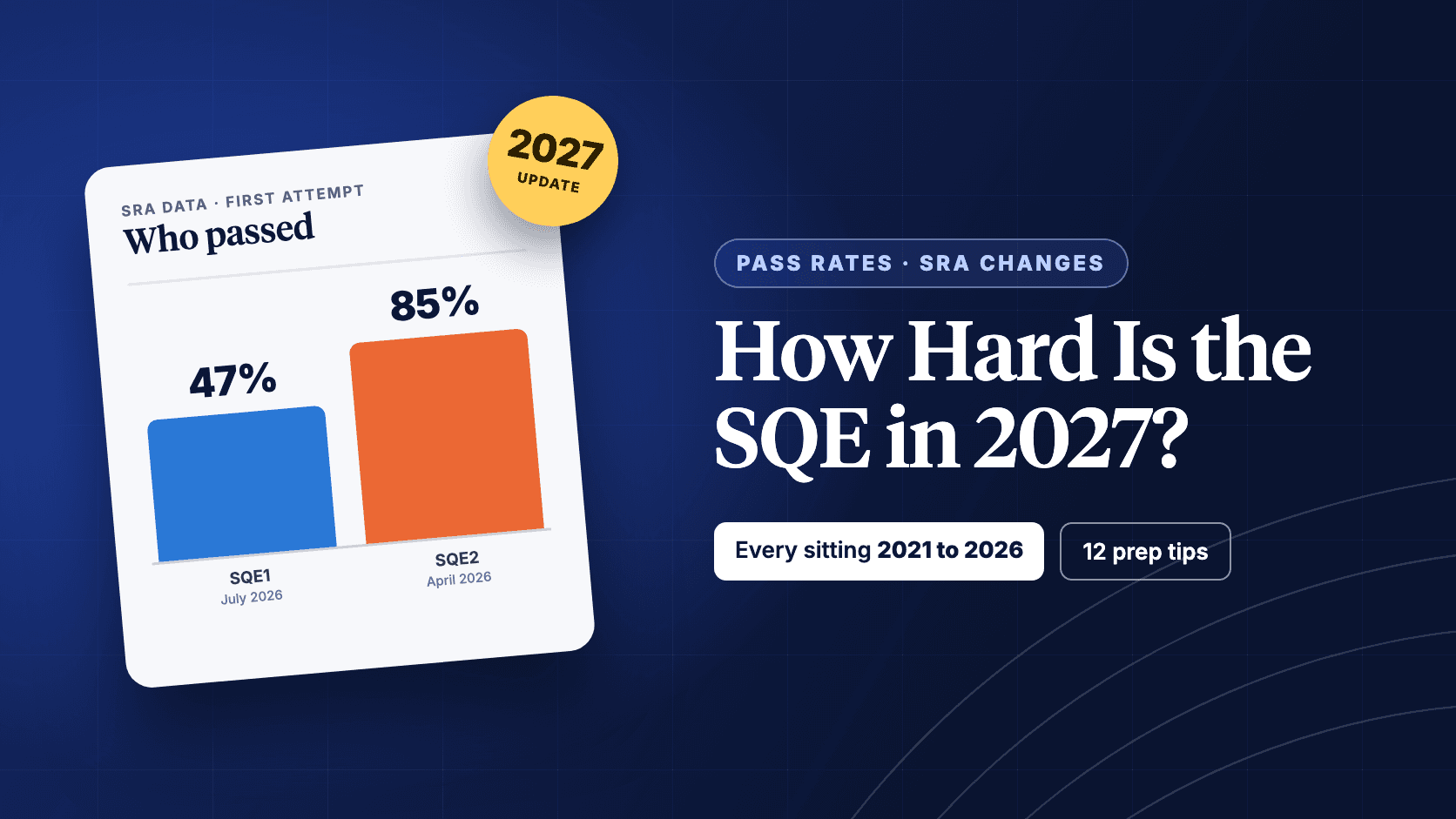
How hard is the SQE? Every SRA pass rate since 2021, why SQE1 fails half of first-timers, what changes in 2027, and 12 preparation tips built on the data.
Read the article
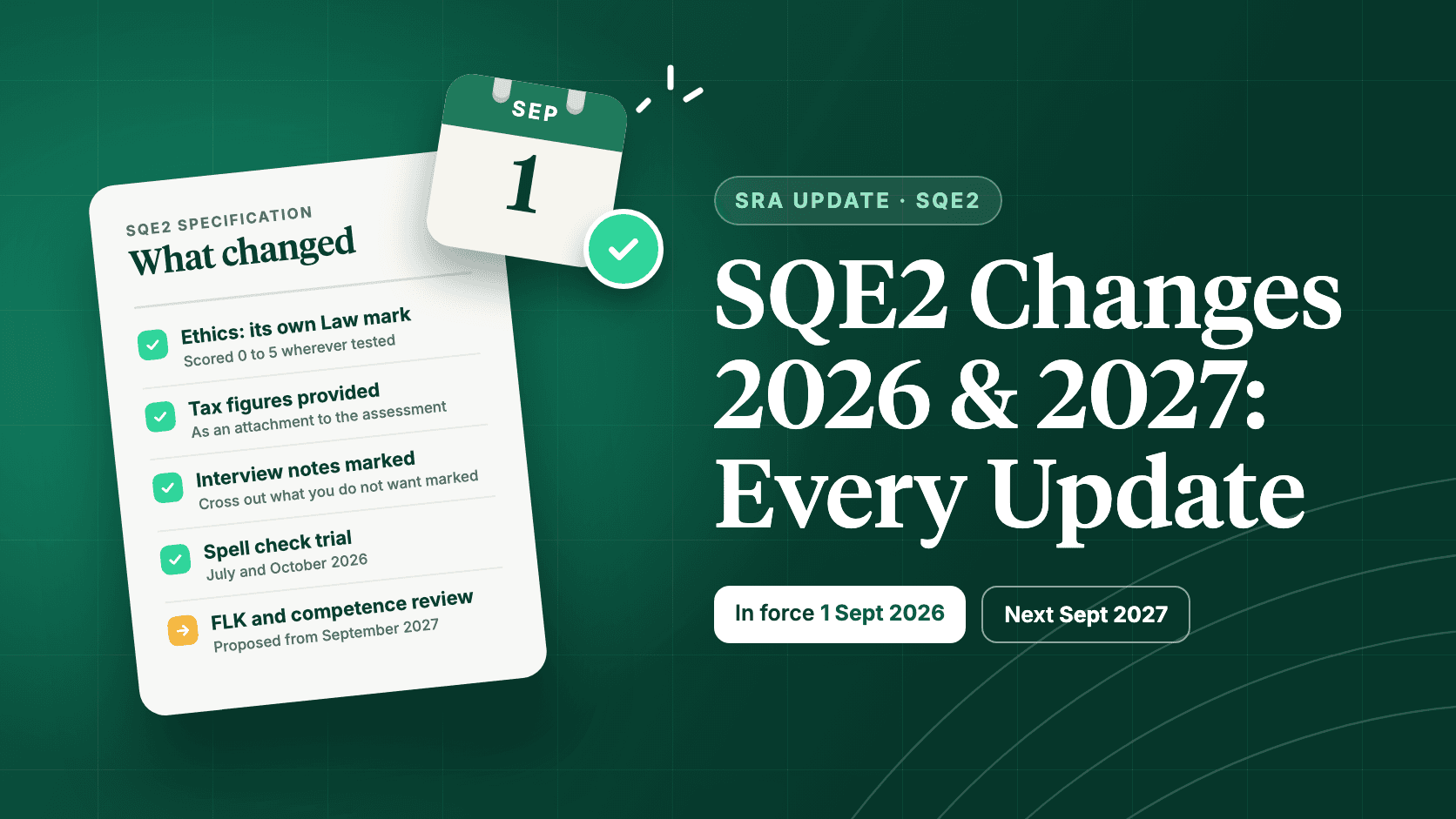
The SQE2 format is not changing, but the marking is. Every change from September 2026, the SRA's 30 September clarifications, and what is proposed for 2027.
Read the article
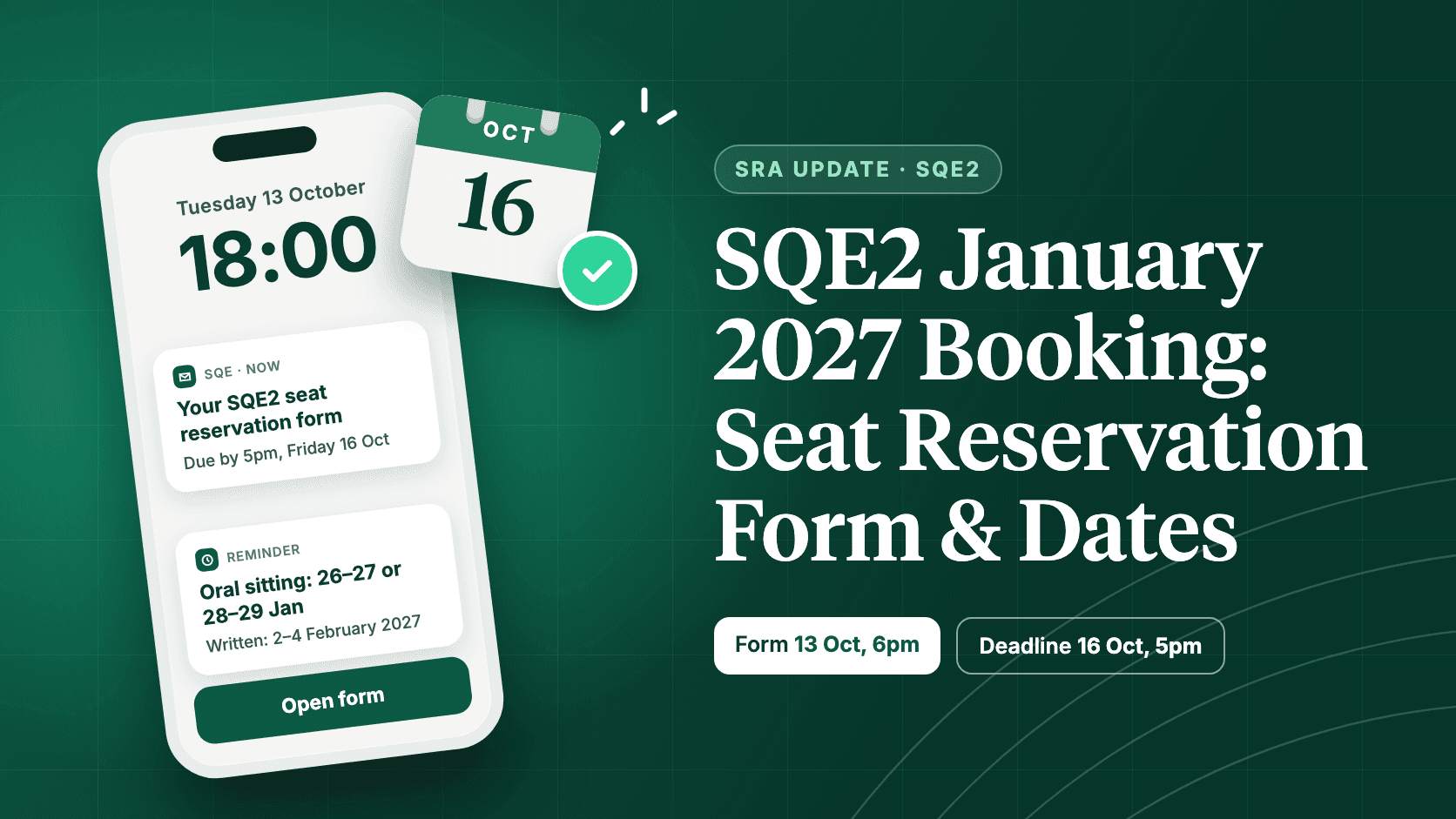
Your SQE2 January 2027 seat reservation form is emailed from 6pm on 13 October 2026 and closes at 5pm on the 16th. Three days, then a 48-hour payment window.
Read the article