SQE2 Client Interview: A Step-by-Step Guide to be confident


Introduction
In the Solicitors Qualifying Examination 2 (SQE2), the client interview is a critical station that assesses your ability to engage effectively with clients, elicit necessary information, provide sound legal advice, and develop an appropriate action plan. This article provides a step-by-step guide to help you navigate this process with ease and proficiency.
Step 1: Preparation
The first step to a successful client interview is preparation. This involves familiarising yourself with the client's case file, identifying potential legal issues, and anticipating questions the client might have. Your ability to handle the case effectively begins with a solid understanding of the underlying facts and the relevant legal principles.
Step 2: Building Rapport
At the start of the interview, it's essential to establish a positive, professional rapport with the client. Introduce yourself, explain the purpose of the meeting, and assure the client of the confidentiality of your conversation. Showing empathy and understanding can help make the client feel more comfortable and willing to share information.
Step 3: Fact-Finding
Once rapport is established, move on to fact-finding. Ask open-ended questions to encourage the client to share their story, and actively listen to their responses. Take careful note of key details, and clarify any unclear points. The information gathered here will inform your legal advice and potential next steps.
Step 4: Providing Legal Advice
After obtaining the necessary information, transition into providing legal advice. Based on the facts provided by the client and your understanding of the relevant law, explain the legal issues involved, potential outcomes, and possible courses of action. Remember to communicate in a clear, understandable language, avoiding excessive legal jargon.
Step 5: Summarisation and Confirmation
Towards the end of the interview, summarise the main points discussed, the advice provided, and the next steps. This not only ensures that you have accurately understood the client's situation, but it also gives the client a clear understanding of where they stand and what to expect.
Step 6: Discussing Next Steps
Before concluding the interview, discuss the next steps. This might include gathering more information, contacting other parties, drafting legal documents, or planning follow-up meetings. Make sure the client knows what to expect in terms of actions and timelines.
Conclusion
The client interview is not just about obtaining facts and providing legal advice; it's also about building a relationship based on trust, empathy, and effective communication. By following this step-by-step guide, you can refine your client interviewing skills and enhance your readiness for the SQE2 client interview station and your future legal practice.
Stay up to date
Never miss the latest SRA updates. Receive product updates, news and customer stories right into your inbox.

Keep reading
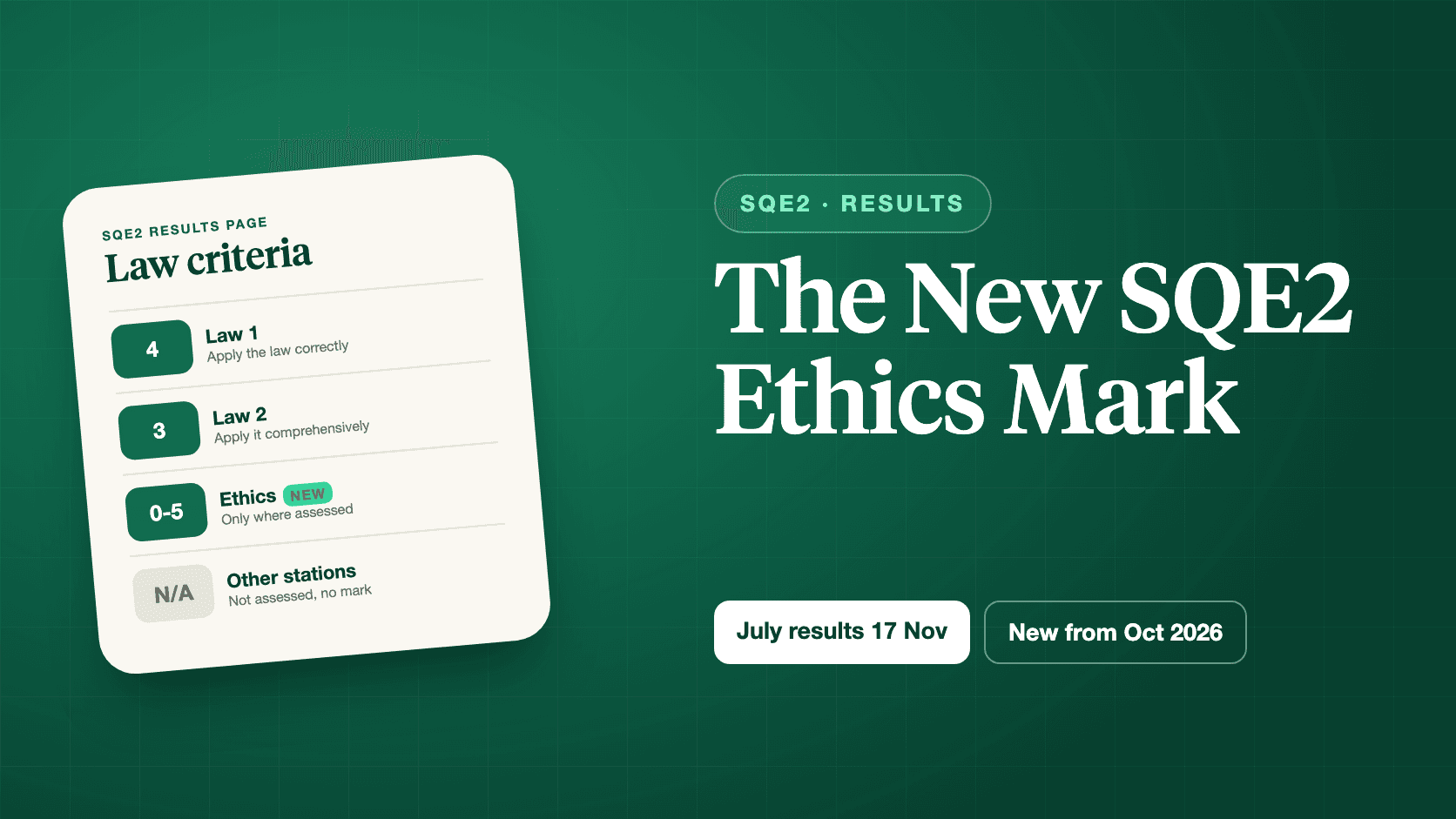
July SQE2 results arrive on 17 November in the old format. From the October 2026 sitting, a separate ethics mark appears. Who sees what, and how it adds up.
Read the article

No law degree, no training contract, and maybe no degree at all. How career changers qualify through the SQE, what the SRA data shows, and how to prepare.
Read the article

Make SQE revision while working more manageable with a mobile study routine, protected practice blocks and a useful fallback for disrupted days.
Read the article